





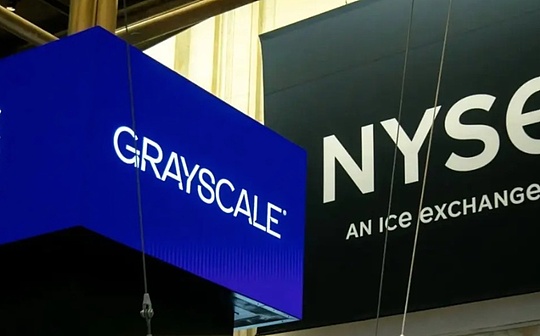
Amid the ongoing wave of integration between cryptocurrency and traditional finance, industry pioneer Grayscale Investments has taken a critical step in its development journey. The company has formally submitted its initial public offering application to the U.S. Securities and Exchange Commission and announced this milestone progress to global investors via its official X platform (formerly Twitter). According to the disclosed details, Grayscale plans to list its Class A common shares on the prestigious New York Stock Exchange and has designated "GRAY" as its ticker symbol. This symbol is not only concise and memorable but also highly consistent with the brand identity it has established in the global financial market, helping to strengthen market recognition.
The underwriting team for this IPO is exceptionally prestigious, with four top investment banks—Morgan Stanley, BofA Securities, Jefferies, and Cantor—serving as lead underwriters responsible for core aspects of the offering. Additionally, the underwriting group is strongly supported by several other well-known financial institutions, including Wells Fargo Securities, Canaccord Genuity, Piper Sandler, Keefe, Bruyette & Woods, and Needham & Company. Such a robust underwriting lineup not only provides solid institutional assurance for the smooth progression of the offering but also reflects the broad recognition and deep confidence Grayscale has garnered within traditional financial circles.
Grayscale's move is far more than a simple listing for fundraising; it carries profound symbolic significance for the industry. As the world's largest cryptocurrency asset manager, Grayscale has built bridges for millions of institutional and qualified individual investors to participate in the digital asset market in a compliant and convenient manner through its flagship product, the Grayscale Bitcoin Trust (GBTC), and a series of other innovative products. The extensive ecosystem support from its parent company, Digital Currency Group, further provides unique advantages for its development. The decision to initiate an IPO at this time can be interpreted as a demonstration of Grayscale's confidence in the maturity of its business model, as well as a strategic move to open its doors to a broader base of public investors, pursue business diversification, and enhance corporate governance transparency.
Behind this decision lies the digital asset industry's ongoing transformation from marginal exploration to mainstream acceptance. A successful listing would not only provide Grayscale with substantial capital for product development, market expansion, and potential acquisitions but also significantly enhance its brand credibility and regulatory transparency, thereby further consolidating its leading position in the increasingly competitive industry. For the entire cryptocurrency ecosystem, the successful listing of a systemically important institution on the NYSE will undoubtedly send a strong positive signal to the market, helping to drive the industry toward greater standardization and institutionalization.
It is foreseeable that the progress of Grayscale's IPO will serve as a critical observation window connecting traditional capital markets with the emerging digital asset world. Every step of its advancement will attract attention from both Wall Street and the crypto community, writing an important footnote for the future landscape of financial markets.